Your office signage does three jobs at once: it helps visitors find you, it confirms they have arrived at the right place, and it sets the tone for the meeting that follows. In Dubai's towers and business districts, where dozens of companies share a floor, a clear reception sign and well-planned wall graphics are often the difference between looking established and looking temporary. This guide explains the main signage types, materials, and the practical steps — including permissions and measurements — that a signage project needs.
The signage most offices need
Reception and logo signs
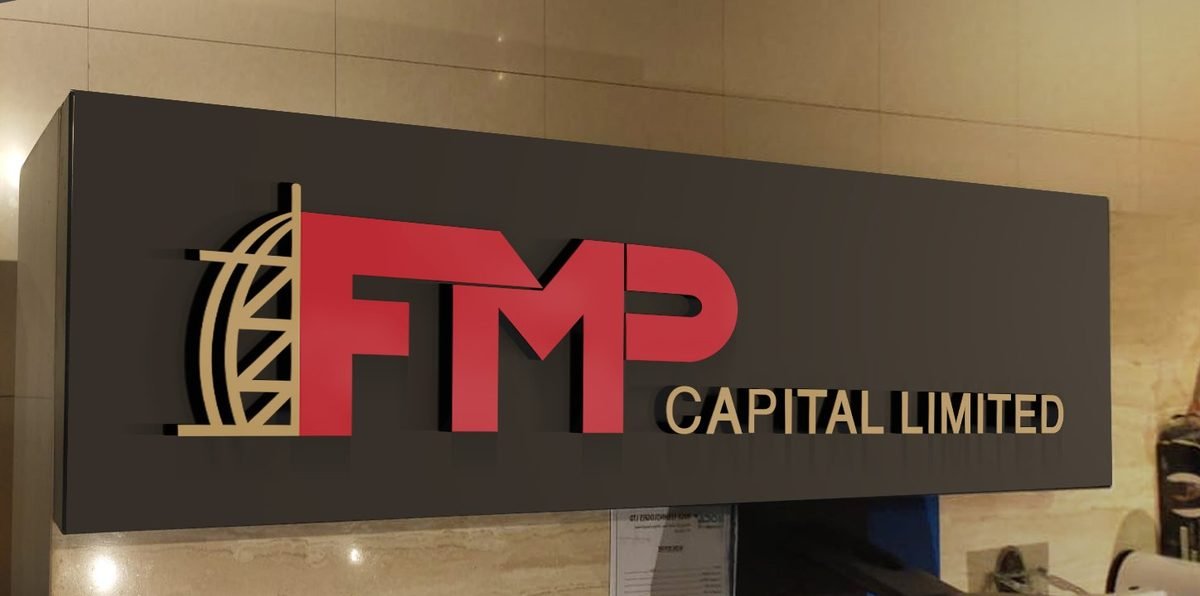
The centrepiece: your logo on the wall behind reception, produced as 3D letters (acrylic, metal-finish or painted), a flat acrylic panel sign, or lettering applied directly to the wall. This is the sign visitors photograph, stand in front of and remember.
Wall graphics
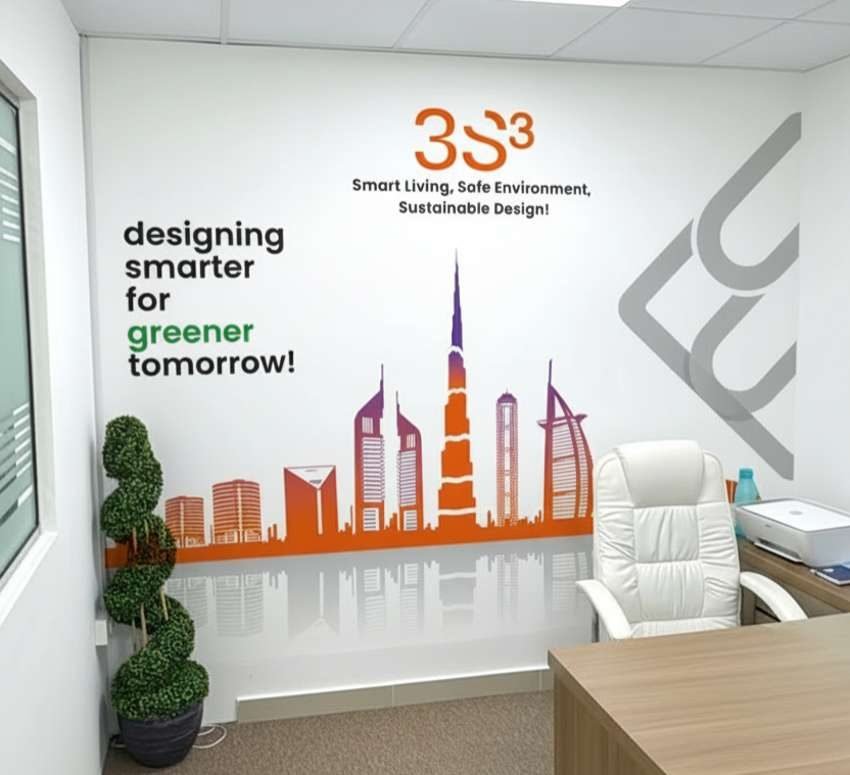
Large printed graphics applied to office walls — brand statements, values, timelines, city skylines, or full photographic scenes. Printed on adhesive vinyl, they transform glass-partition offices and plain corridors without construction work, and they can be updated when branding changes.
Window and glass graphics
Frosted vinyl bands give meeting rooms privacy while carrying your logo or pattern; printed window graphics advertise to the corridor or street. Glass is usually the largest unused branding surface in a Dubai office.
Wayfinding and door signs
Room names, department signs, floor directories and regulatory signs. Small, but they are what make an office feel organised to a first-time visitor.
Materials at a glance
- Acrylic — clean, modern panels and letters; can be clear, coloured or backed with vinyl; a popular choice for reception logos.
- ACP (aluminium composite panel) — a rigid, durable board used for larger signs and outdoor-facing applications.
- Self-adhesive vinyl — the basis of wall and window graphics; available in matte, gloss and frosted finishes.
- Foam board and PVC — lightweight, economical signs for internal and temporary use, such as event and exhibition graphics.
- Illuminated options — where permitted, backlit and edge-lit signs add evening visibility; these involve electrical work and stricter approvals.
The right material depends on the surface, the location (indoor or outdoor), and how long the sign needs to last — confirm the specification for your site before production. Our signage printing page outlines the main options.
Permissions: the step businesses forget
In most Dubai office buildings and malls, signage — especially anything visible from common areas, anything illuminated, and all exterior signs — requires approval from the building management or landlord, and in some cases municipal permits. Internal wall graphics within your own leased office are usually simpler, but common-area and exterior work almost always needs a no-objection process. Start the approval early, keep it in writing, and confirm any size or content restrictions before the sign is designed, not after it is produced. Requirements vary by building and location, so treat this as a step to verify for your premises rather than a formality.
Measure first: what a printer needs to quote
Signage is made to measure, so an accurate quotation starts with site information:
- Wall or glass dimensions (width × height in metres or centimetres), and a photo of the actual wall.
- Surface type — painted drywall, glass, wood, existing panel — because fixings and adhesives differ.
- Access — floor level, lift access, and any building rules about installation hours.
- Your logo as a vector file (AI, EPS, PDF or SVG). A small JPG cannot be scaled to wall size cleanly; if you only have a low-resolution logo, ask about redrawing it as part of the project.
Design for distance and light
Signage is read while walking, often from several metres away. Keep text large and minimal — a name and a strapline, not a paragraph. Contrast matters more than decoration: dark letters on a light wall (or the reverse) stay legible under office lighting. For wall graphics, check how the design meets doors, sockets and partitions, and proof the layout against a photo of the real wall. If the same branding appears on your exhibition backdrops and printed materials, keep colours and fonts identical so the office and the event stand tell one story — see our article on consistent branding across print and digital.
Installation and timelines
Production and installation times depend on the materials, size and approvals involved, so they are confirmed per project. Small internal signs and vinyl graphics are generally straightforward; 3D and illuminated work involves more fabrication stages. Plan the project in this order: permissions, measurements, design approval, production, then installation at a time your building allows. Share your wall photos and dimensions with your enquiry, and you will get a specification and quotation based on the real site rather than an estimate.
Have a project in mind?
Tell us what you are planning — specifications, materials and artwork are confirmed with you before production, because every project is different.